

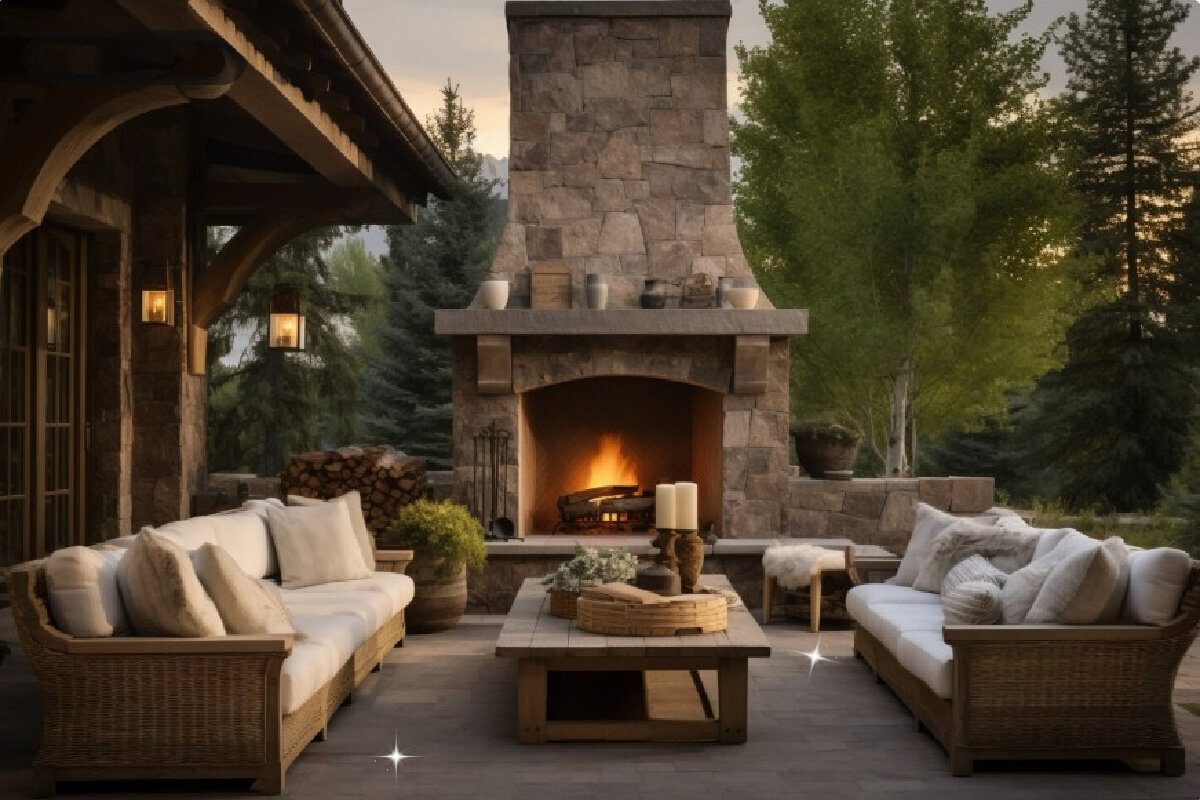
Creating Year-Round Outdoor Spaces with Heated Hardscaping Elements
So you may have spent thousands building this fabulous patio, right? Then winter arrives, and suddenly it’s just sitting there – completely useless – under a foot of snow. Maybe you stare at it through the kitchen window while you’re drinking coffee, thinking about all of the money that remains frozen for at least six months of each year. It is a reasonably common frustration. But heated hardscaping is changing that equation. We’re talking about outdoor spaces that actually function November through March, not just during the warm months.
Integrating Radiant Heat Systems into Patios and Walkways
You’ve got heating elements—they may be electric cables, may be hydronic tubing—that are installed beneath the surface that you’re building. Once they’re in place and you turn them on, they keep the surface temperature hovering somewhere around 38 to 40 degrees. This is warm enough to melt snow and ice without getting so hot as to become weird or uncomfortable. Electric versions use heating cables that either sit in sand beds beneath pavers or are embedded in wet concrete. Hydronic setups pump heated glycol solution through flexible PEX tubing instead. Typically, you’re having these installed during new construction, though sometimes electric systems can be added to existing hardscapes if planned properly.
Material Compatibility and Design Flexibility
Here’s the question people always ask: Does this mean your option to use certain materials is limited? Not at all. If you’ve been dreaming about a bluestone patio, you can still have it. Already picked out brick pavers for your walkway? Those work great with heating elements underneath. Natural stone, concrete, whatever you had in mind—the heating components fit beneath basically anything you’d use for a regular hardscaping project anyway. There’s no sacrificing your vision to receive the heating benefit. These improved heating systems adapt to whatever shape you’re building—curved paths, irregular patios, multiple levels, whatever. At Millennium Stone Works, we’ve been doing masonry for three generations now, so we’ve figured out how different materials conduct heat and the adjustments to make for each installation to improve performance.
Automated Systems for Effortless Winter Maintenance
Nobody wants to manually activate their driveway heating at 5 AM during a snowstorm. That’s why modern radiant heat systems come with advanced sensors that detect both temperature and precipitation. When conditions warrant—say, it’s 35 degrees and snowing—the system kicks on automatically. Once the storm passes and the surfaces are transparent, it shuts itself off. You can also opt for manual controls if you want to preheat the surface before guests arrive or manage the operation according to your individual schedule. Either way that you look at it, you’re investing in completely maintenance-free snow removal that requires zero effort on your part.
Long-Term Value and Energy Efficiency
Yes, heated hardscapes do usually require an upfront investment, but you will want to consider what you’re getting. First, you’ll never need to purchase rock salt again, which damages pavers, kills plants, and tracks into your home. Second, you eliminate liability concerns from slip-and-fall accidents on icy walkways. Third, you’re adding usable space to your home that is functional during each month, not just May through October. If you decide to sell, buyers notice this type of upgrade.
The efficiency angle is worth mentioning as well. Electric systems convert most of their energy directly into heat rather than waste it. And here’s something people forget to calculate: consider how much time you spend shoveling snow each winter. If you’ve got a long driveway or a large patio, that’s hours of backbreaking work. Your knees and back will thank you for skipping this task. Plus, you can actually use your outdoor kitchen in January if you want to grill steaks while it’s snowing. The whole point of this type of heating is to regain the spaces that you already paid good money to have built.