

Outdoor Kitchens: Planning Utilities, Layout, and Long Term Functionality
Gas, electric, and plumbing considerations homeowners should know
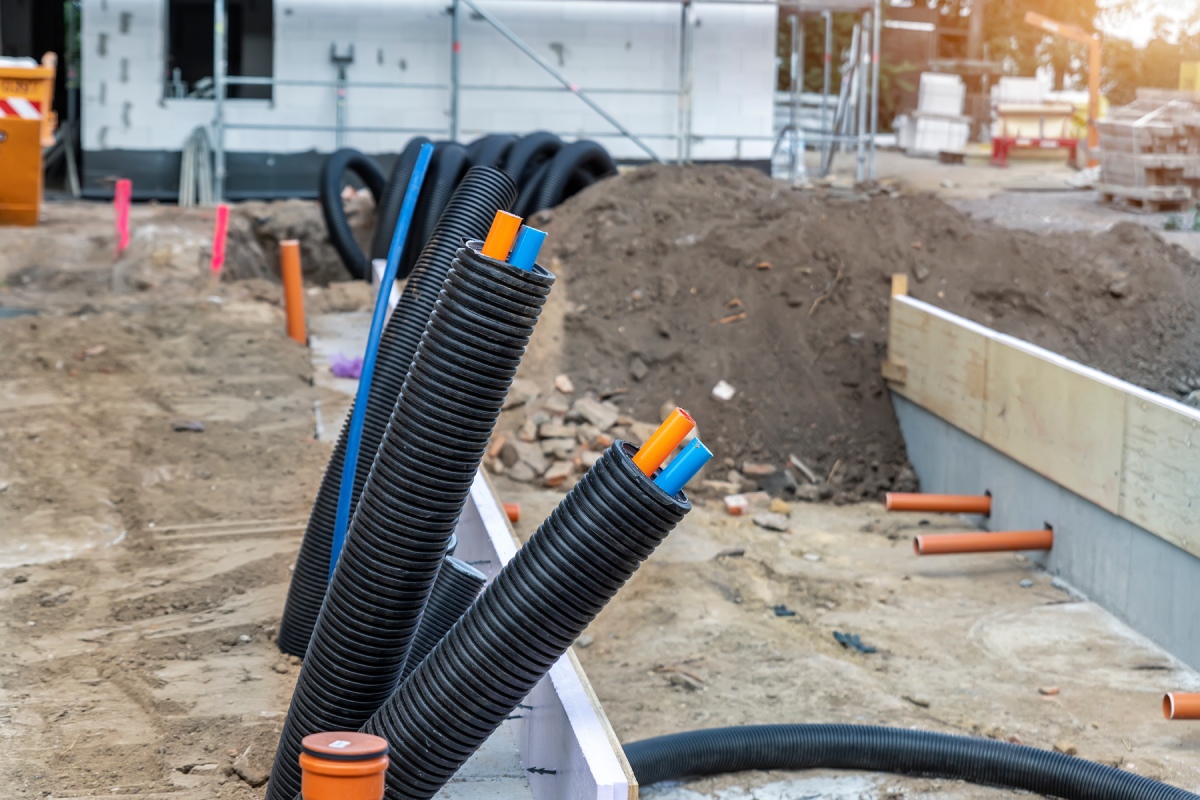
A functional outdoor kitchen starts with utilities, not the countertop or the grill. Gas lines need to be sized for total BTU demand across all connected appliances. Electrical circuits require weatherproof protection and must meet code for outdoor installations. Plumbing access, where the design includes a sink, has to be planned before the hardscape goes in. None of these can be effectively retrofitted after the patio pavers are set. Getting the utility infrastructure right in the planning phase is what separates a custom outdoor kitchen that performs year after year from one that creates problems every time it’s used.
Gas lines are the big one. They need to be sized correctly for everything running off them, including grills, side burners, and heating components, without dropping pressure when multiple things are firing at once. Get the sizing wrong and you’re cooking on low flame no matter what the knob says. Electrical has its own checklist: refrigeration, lighting, specialty appliances, all of it needs to meet code and be protected for outdoor exposure.
Even modular outdoor kitchens can’t skip this step. Prefabricated systems still need gas and electrical routed properly, often beneath patio pavers or alongside pavers for patio surfaces, and trying to retrofit that after the hardscape is finished is exactly as disruptive and expensive as it sounds. Plan it upfront. Full stop.
When the design includes an outdoor kitchen and fireplace combination, there’s another layer on top of all that. Clearance requirements, ventilation, and gas line placement around an outdoor fireplace or masonry fireplace all need professional eyes on them. This isn’t the part of the project to cut corners on.
| Utility Type | Key Planning Requirement | Risk if Skipped |
| Gas line | Size for total BTU demand | Pressure drop under load |
| Electrical | Weatherproof circuits, outdoor code compliance | Safety hazard, failed inspection |
| Plumbing | Planned before hardscape install | Disruptive and costly retrofit |
| Ventilation | Clearance from structures and appliances | Smoke intrusion into seating area |
| Drainage | Graded away from appliances and cabinetry | Water damage to framing and appliances |
Designing a layout that supports entertaining and everyday use
A good outdoor kitchen layout is designed around how the host actually moves during cooking, not how the kitchen looks in a rendering. The cooking zone, prep zone, and serving zone need to flow in sequence so the host can grill, plate, and hand food off without crossing the patio repeatedly. Seating placement relative to the cooking area determines whether guests stay in the conversation or drift away. Shade overhead turns an afternoon cooking session into something genuinely comfortable. Getting these three things right: workflow, seating, and shade, is what separates an outdoor kitchen that gets used constantly from one that sits idle most of the season.
Outdoor patio kitchens should flow. Cooking zone, prep zone, serving zone, each in a logical sequence so movement between them is natural rather than awkward. The host should be able to grill, plate, and hand food off without running a relay race back and forth across the patio. That workflow matters every single time the kitchen gets used, not just on big entertaining nights.
Seating placement shapes the whole experience around the cooking area. Locating a backyard fire pit nearby creates a natural gathering point that keeps guests in the conversation and extends the usability of the space well past dinnertime. Clear circulation paths across pavers for walkways between the dining table, the lounge area, and the cooking station keep guests moving comfortably without bottlenecks.
Shade is more functional than people give it credit for. An aluminum pergola or patio pergola positioned above the kitchen cuts sun exposure during afternoon and evening cooking, and gives the kitchen area a defined architectural boundary so it reads as its own space within the larger yard. Coordinate the materials, including bluestone pavers under the kitchen carried through to the surrounding driveway pavers, and the whole backyard holds together visually instead of feeling like separate zones dropped next to each other.
Selecting weather resistant materials for year round performance
Outdoor kitchens in New Jersey sit through humid summers, hard winters, and freeze-thaw cycles, and every material choice needs to reflect that reality. Cabinetry and framing built from non-corrosive materials, countertops rated for exterior heat and precipitation, and appliances spec’d specifically for outdoor use aren’t optional upgrades. They’re baseline requirements. The surface underneath the kitchen matters just as much: properly installed patio pavers with adequate drainage support prevent water from pooling around appliances and working into the base. Spec the wrong materials and you won’t be replacing them ten years from now. You’ll be replacing them after two or three seasons.
Cabinetry and framing have to be built from non-corrosive materials from the start. Rust and deterioration aren’t problems that show up after ten years of neglect. They show up after two or three seasons of normal weather exposure if the wrong materials were used. Countertops need to handle heat and precipitation without cracking or losing their finish. These aren’t premium upgrades. They’re baseline requirements for anything built to perform outdoors.
The surface underneath the kitchen matters just as much as what’s on top of it. Properly installed patio pavers provide both the durability and the drainage support that keeps water from pooling around appliances and working its way into the base. Dense natural stone or high-quality manufactured units are the right call here: stable, level, and built to hold up year after year without shifting.
Appliances are the last piece of the materials conversation. Built-in grills, refrigeration units, and storage systems designed specifically for exterior use are what actually holds up when humidity, cold temperatures, and direct exposure are part of the equation. Spec interior-rated appliances for an outdoor installation and you’ll be replacing them far sooner than you planned. When every component is chosen with longevity in mind, the kitchen stops being a seasonal amenity and starts being a genuine extension of the home.
Frequently Asked Questions
Do outdoor kitchens require permits for gas and electrical work?
In most municipalities, yes. Permanent gas and electrical installations almost always trigger permit requirements, and for good reason: these are the systems that create real liability if they’re not done correctly. Experienced professionals handle the compliance side so inspections go smoothly and the work is signed off properly.
How far should an outdoor kitchen be from the home?
Closer proximity generally makes utility connections easier and less expensive. But distance also factors into ventilation, traffic flow, and how the kitchen sits within the overall backyard layout. There’s no universal number. It depends on the yard and the design, and a good contractor walks through the tradeoffs with you before anything gets placed.
What type of countertop performs best outdoors?
Stone and engineered surfaces rated for exterior use are the consistent top performers. They handle heat, resist moisture, and hold up through seasonal temperature swings without cracking or fading. Match the material to both the climate conditions and how intensively the surface will actually be used.
Can an outdoor kitchen be used during colder months?
Yes, and a well-designed one absolutely should be. Pair it with heating elements, shelter it under a pergola, spec weather-rated appliances, and there’s no reason a New Jersey outdoor kitchen has to shut down when the temperature drops. Season extension is one of the things that justifies the investment.
How can homeowners future proof their outdoor kitchen design?
Build in extra utility capacity from the start. It costs very little to run a bigger gas line or add an extra electrical circuit during initial installation, and a lot more to retrofit them later. Same goes for the layout: design it with flexibility so adding an appliance or expanding counter space down the road doesn’t require tearing up the whole foundation.