

Retaining Walls That Combine Structural Integrity with Architectural Beauty
Designing walls that solve grading challenges while elevating curb appeal
Nobody gets excited about retaining walls. Until they see one done right. Then the conversation changes completely.
A sloped backyard feels like a limitation. Land you can’t use, a grade change that makes furniture awkward, a drainage situation that gets worse every spring. Most homeowners just accept it as a feature of the property rather than something that can be fixed. A well-built backyard retaining wall takes all of that and turns it around. Usable space where there wasn’t any. A flat entertaining area carved out of a slope. Outdoor rooms that didn’t exist before the wall went in.
That’s the structural side. Here’s what most people don’t expect: a retaining wall built with real design intention ends up being one of the most visually compelling features in the whole yard. Not just a wall holding back earth. A defining element. Something that gives the landscape structure and depth in a way that flat hardscape on its own never achieves.
Getting that result requires planning that starts with the soil and the load. What’s the elevation change? What forces is the wall going to manage? Serious grade differentials call for a concrete retaining wall with the backbone to handle what’s behind it. Gentler situations open up more material options, including segmental systems that pair naturally with patio pavers and deliver the kind of refined design continuity that blends into the broader hardscape without calling attention to itself.
The design integration piece matters just as much as the engineering. A wall that’s structurally sound but looks disconnected from everything around it is a missed opportunity. Coordinate the wall materials with nearby bluestone pavers. Match the tones to driveway pavers out front. Done right, the whole property reads as one cohesive environment from the street to the back of the yard. Done wrong, the wall looks like it solved a problem and nothing else.
Material and drainage considerations for lasting performance
Two walls can look almost identical on day one and perform completely differently by year five. The difference is almost always what’s behind the wall and what’s underneath it, not the face material anyone can see.
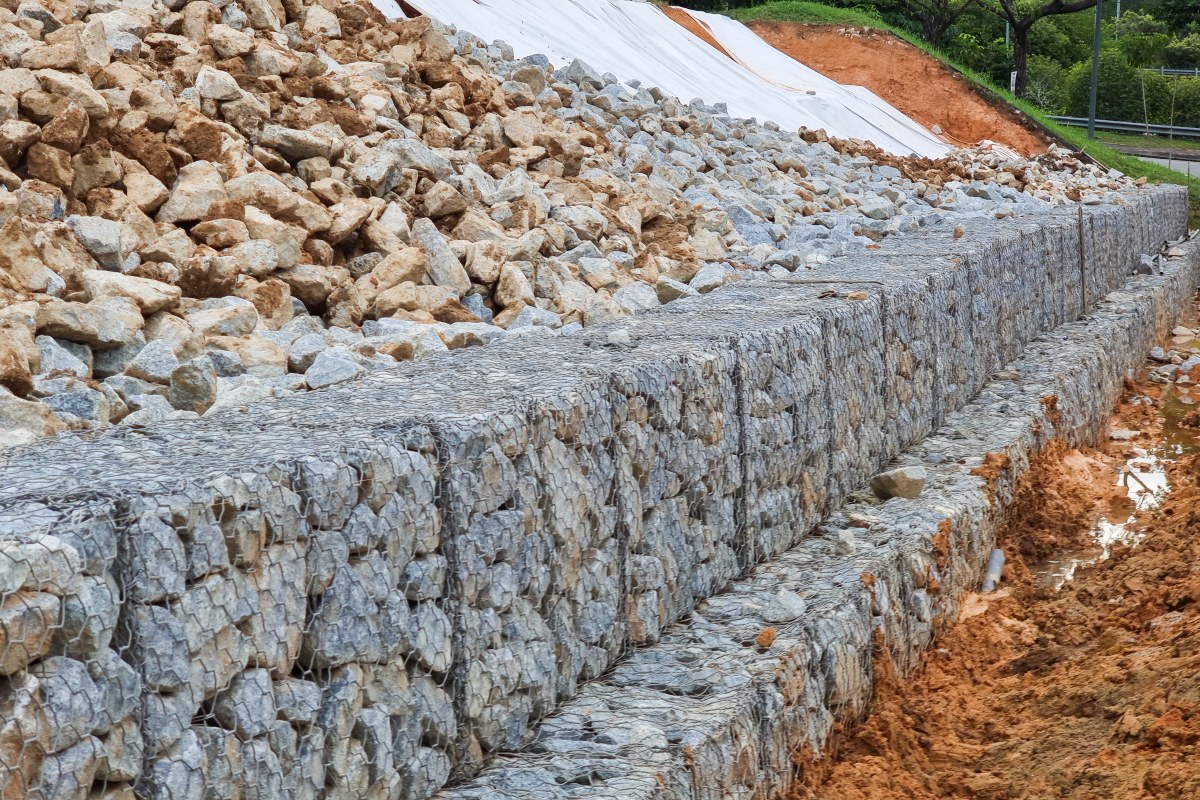
Drainage is the piece that determines long-term performance more than anything else. Water builds up behind a retaining wall after every rain. If there’s nowhere for it to go, hydrostatic pressure accumulates until something gives. That’s not a gradual process. It builds quietly and then shows up suddenly as bowing, leaning, or outright failure. Perforated piping, proper backfill stone, and weep systems built into the wall from the start are what prevent that from happening. They protect pavers for walkways on either side of the wall, keep outdoor patio kitchens and gathering spaces on the terrace above stable, and make sure the installation performs through years of real weather rather than just looking good in photos right after it’s finished.
Face materials shape how the wall reads within the overall design. Brick patio pavers or patio stone pavers along the wall face soften what could otherwise feel like a hard, industrial structure. They connect visually to the pavers for patio areas surrounding the wall so the transition between vertical and horizontal surfaces feels natural rather than abrupt. That visual continuity is what takes a retaining wall from looking like infrastructure to looking like intentional design.
New Jersey winters add a variable that has to be built into the plan from day one. Freeze thaw cycles, seasonal moisture shifts, frost movement in the soil. An outdoor fireplace sitting on the terrace above the wall, built-in seating running along the top of it, the patio surface in front of it, all of those things stay exactly where they belong only if the wall underneath was engineered for the climate it’s actually in. Professional installation accounts for that from the base up. Cutting corners at this stage is how projects that look great on day one start showing problems by year three.
Integrating seating walls into functional outdoor living designs
The best version of a retaining wall earns its place in the design twice. Once for what it does structurally. Again for how it gets used every time someone’s in the backyard.
Widen the cap. Refine the finish. Build to the right height for comfortable seating. Now the wall that was handling your grade change is also the place guests sit around the backyard fire pit on a Saturday evening. No extra furniture to buy, no chairs to store when the season ends, no seating arrangement to figure out every time people come over. The gathering zone defines itself because the wall already defined it.
This is one of those design moves that sounds simple and looks effortless when it’s done right. It isn’t effortless. It takes precise planning around height, cap material, and how the wall relates to the features around it. But when it works, the outdoor space has a completeness that’s immediately obvious to anyone who walks into the yard. Things are where they belong. The layout makes sense. Nobody has to figure out where to stand.
A custom pergola or aluminum pergola above a seating wall locks the zone in further. Shade overhead, solid seating at the perimeter, patio designs with pavers covering the ground between them. The space stops feeling like an outdoor area and starts feeling like an outdoor room. That distinction is what people are paying for when they invest in a serious hardscape project and it’s the standard a well-executed retaining wall and landscape should reach.
Flow through the yard matters too. A retaining wall that creates a dead end or forces awkward movement between zones has failed at part of its job regardless of how well it’s built. Walls should guide people naturally from one entertainment zone to the next. The path from the patio up to the upper terrace, from the dining area to the fire feature, from the seating wall to the cooking space, all of it should feel obvious the first time someone experiences it. That intuitive quality is the mark of a layout that was genuinely designed rather than assembled.
Frequently Asked Questions
When is a retaining wall necessary in a backyard project?
When elevation changes are keeping you from using the yard the way you want to. Slopes that make furniture unstable, grade differentials that cut outdoor space into disconnected levels, erosion that worsens every time it rains heavily. A retaining wall stabilizes the grade and reclaims usable outdoor living space that the slope was taking away. In a lot of properties it’s the single project that makes everything else in the backyard possible.
How important is drainage behind a retaining wall?
It is the most important thing about a retaining wall that nobody can see. Hydrostatic pressure from water with nowhere to go is what causes walls to bow, lean, crack, and eventually fail. Backfill stone, perforated piping, and weep systems are what prevent that from happening. They are not optional. A wall built without proper drainage is a wall that’s already working against itself.
Can retaining walls increase property value?
Yes and for two reasons that actually matter to buyers. First, a well-designed wall creates defined, usable outdoor living space that didn’t exist before. Second, it tells a buyer that the grading and drainage issues of the property were handled by someone who knew what they were doing. Both of those things show up in how the property is perceived and what someone is willing to pay for it.
What materials are best for long lasting performance?
High quality masonry units, reinforced concrete systems, and natural stone are all strong performers when the installation behind them is done correctly. The right choice depends on the specific structural demands, the aesthetic of the home, and how the wall needs to integrate with surrounding hardscape. No single material is the answer for every situation but every situation has a right answer.
How do seating walls improve outdoor entertaining spaces?
They remove friction from the gathering experience. Guests don’t have to figure out where to sit. The layout communicates it. Built-in seating around a fire feature or along the edge of a dining area makes the space feel purposeful and permanent in a way that movable furniture never quite replicates. And unlike patio chairs, a seating wall never needs to be stored, replaced, or rearranged. It’s just there, doing its job, every single time someone uses the yard.