

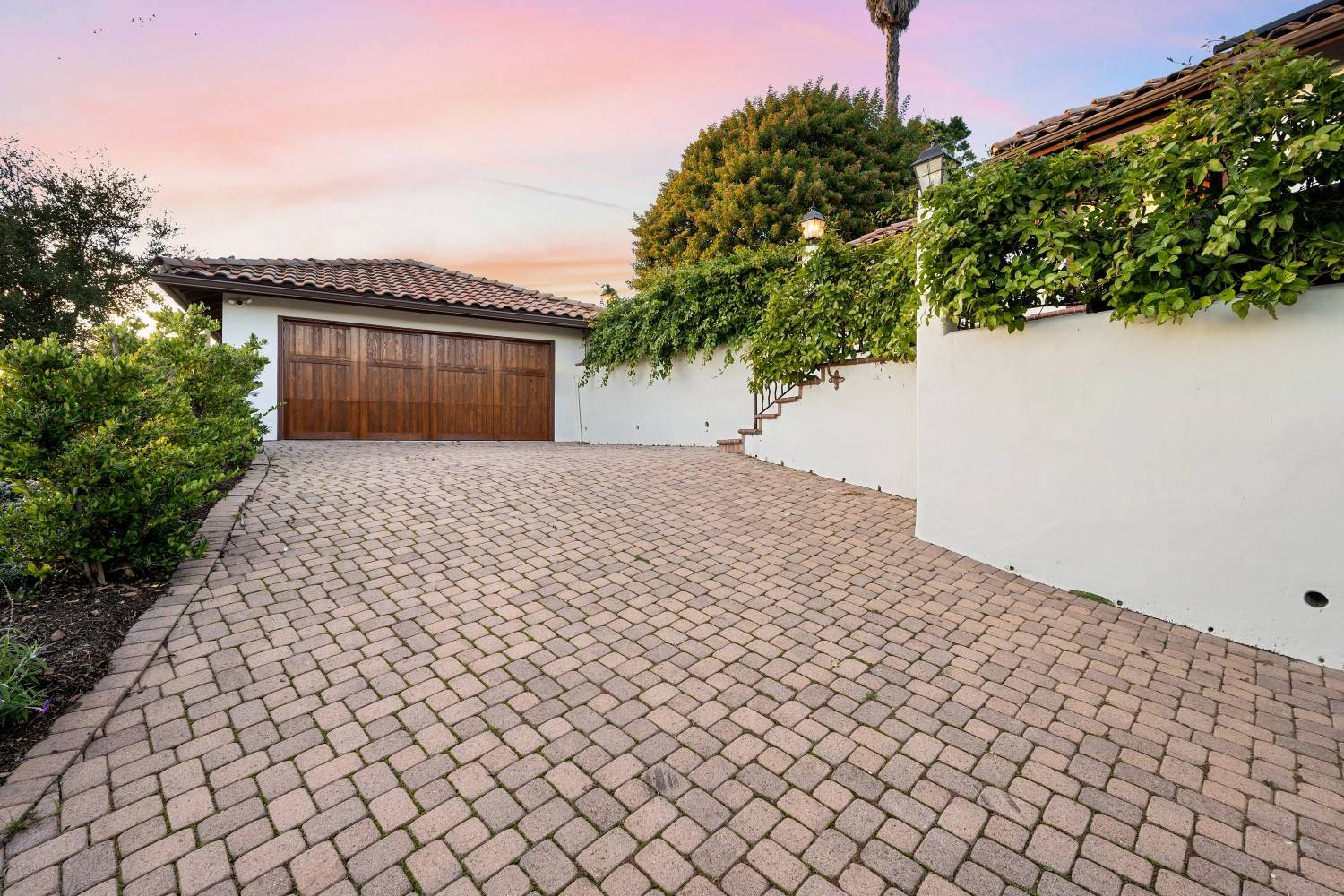
Driveway Pavers vs. Concrete: Durability and Design Considerations
Why Interlocking Systems Outperform Traditional Poured Surfaces
Driveway pavers outperform poured concrete in durability, repairability, drainage, and design flexibility, particularly in climates with significant freeze-thaw activity. Interlocking paver systems flex with ground movement rather than cracking under it, allow individual unit replacement without disturbing the surrounding surface, and offer a range of color and pattern options that poured concrete cannot match. This article walks through the key differences so homeowners can make an informed decision about which system fits their property.
Poured concrete driveways have been the default choice for decades. Not because they’re the best option available, but mostly because they were familiar, and for a long time the alternatives weren’t as accessible or as well understood. That’s changed. Once you actually compare driveway pavers against a traditional concrete slab on the things that matter most, the conversation shifts pretty quickly.
The core structural difference comes down to how each surface handles movement. A poured slab is one rigid piece. When the ground underneath it shifts, when temperatures cycle through freeze and thaw, when soil expands and contracts through the seasons, that rigidity works against the slab. Cracks form, and they’re not small, subtle cracks you can ignore. They’re wide, visible fractures that run across the surface and require tearing out sections to address properly.
Driveway pavers work differently. Each individual unit moves independently within the interlocking system. Ground movement happens and the surface adjusts rather than fractures. Concrete driveway pavers are manufactured to precise tolerances so they lock together tightly while still accommodating the kind of expansion and contraction that New Jersey winters generate every single year. The surface flexes. The slab doesn’t. That difference shows up in how each one looks and performs five, ten, fifteen years in.
| Category | Driveway Pavers | Poured Concrete |
|---|---|---|
| Freeze-thaw performance | Flexes with movement, stays intact | Cracks under ground pressure |
| Repairability | Individual units replaced invisibly | Patches visible permanently |
| Drainage | Water infiltrates through joints | Runoff sheets across surface |
| Design options | Colors, patterns, borders, inlays | Limited surface texture and color |
| Lifespan | 30-50+ years with proper base | 20-30 years before major repair |
| Curb appeal | Architectural, customizable | Functional, standard appearance |
Maintenance Differences That Impact Long Term Appearance
The long-term maintenance story strongly favors interlocking pavers. When a poured concrete driveway cracks, repair options are limited and none of them are invisible. Patching compounds don’t match the original pour color, and cutting out a section creates a permanent visible seam. The driveway looks repaired for the rest of its life. With a paver system, one damaged unit gets pulled out and replaced, and the surrounding area never gets touched. That repairability is one of the most practical advantages of the system and one that doesn’t show up until you actually need it.
Surface texture matters for daily use too. Patio stone pavers and pavers for patio areas are valued specifically because they hold up under foot traffic and resist shifting when installed on a properly compacted base. The same installation principles carry directly into driveway systems. A stable, well-prepared foundation is what protects the surface against rutting and uneven settlement over years of vehicle load and seasonal stress.
Drainage is the other piece of the long-term maintenance conversation. Interlocking paver systems allow water to move between joints and away from the surface rather than sheeting across it. Concrete sends all runoff to wherever the slab drains, which isn’t always where you want it going. Proper grading near a backyard retaining wall and along the edges of the driveway manages that runoff and protects both the structural integrity of the surface and the surrounding landscape from erosion and water damage.
Enhancing Curb Appeal with Custom Driveway Patterns and Borders
A poured concrete driveway is a surface. A well-designed paver driveway is an architectural element. Color options, laying patterns, contrasting borders, and decorative inlays give interlocking systems a design range that poured concrete simply cannot match. The ability to coordinate driveway materials with patio surfaces, walkways, and other hardscape features throughout the property creates a visual continuity that makes a home look considered and finished rather than just functional.
The design connection to the rest of the property is where it really comes together. A driveway that coordinates materials with an outdoor fireplace at the rear of the property, or aligns tones with an aluminum pergola visible from the street, creates an exterior environment that reads as cohesive and intentional. Extend similar material accents toward a backyard fire pit or a fire pit patio and the whole property starts communicating a consistent design language from the front curb all the way to the back of the yard.
For homeowners who want a genuinely distinctive entrance, the options go further. Integrated curves, decorative edging, a custom pergola marking the driveway transition, details like these transform what could be a simple access point into a first impression that does something for the property. Not just functional. Architectural.
Choosing between a poured slab and an interlocking system really comes down to what you’re optimizing for. If durability, repairability, drainage, and design flexibility are priorities, driveway pavers deliver on all of them. Built on a properly prepared base with careful detailing, they provide a surface that performs well for decades and looks better than concrete from day one.
Frequently Asked Questions
Do paver driveways last longer than poured concrete?
In most cases yes, especially in climates with significant freeze-thaw activity. The interlocking system’s ability to flex with ground movement rather than crack under it is a structural advantage that shows up clearly over time. Longevity depends on installation quality and soil conditions, but a properly built paver driveway consistently outperforms a poured slab in long-term appearance and structural integrity.
Are paver driveways more difficult to maintain?
Actually less so when you factor in the long view. Routine upkeep is minimal, mostly cleaning and occasional joint sand replenishment. The real maintenance advantage is repairability. Individual units can be pulled and replaced without touching the surrounding surface, which makes addressing any localized damage straightforward rather than disruptive.
Can heavy vehicles damage paver surfaces?
A driveway built to the right specifications for residential use handles normal vehicle loads without issue. The key is proper base depth and thickness for the expected load. An experienced installer sizes the system appropriately for the application during the design phase, not as an afterthought.
Do pavers improve drainage compared to concrete?
Noticeably yes. The joint spacing between units allows water to infiltrate between them rather than running entirely across the surface. Pair that with proper grading and you’ve got a driveway that manages runoff significantly better than a solid poured slab.
How can homeowners personalize their driveway design?
Color blends, contrasting borders, decorative inlays, curved layouts, custom edging, the range is wide. The best starting point is looking at the architecture of the home and the existing hardscape, then designing the driveway to connect with both rather than exist separately from them. That coordination is what makes a custom driveway feel like part of the property rather than just a place to park.